Maryland Home Protection: Keep Unwanted Squirrels, Bats, and Rodents Out
Is your Maryland home sharing space with uninvited squirrels, bats, or rodents? Discover how The Bug Man helps local homeowners protect their property from these common pests, offering expert tips and reliable solutions to keep your family safe and your home pest-free.
Unwanted Guests: How to Keep Squirrels, Bats, and Rodents Out of Your Maryland Home
Maryland homes, with their cozy attics, crawl spaces, and quiet corners, can be very inviting. Unfortunately, they're not just inviting to us! Squirrels, bats, and various rodents often see our homes as perfect places to build their nests, find food, and escape the elements. While these creatures might seem harmless from a distance, they can cause significant damage, spread disease, and create a real headache for homeowners.
Knowing how to protect your home from these "unwanted guests" is key to maintaining a safe and healthy living environment. Let's dive into the common culprits and what you can do about them.
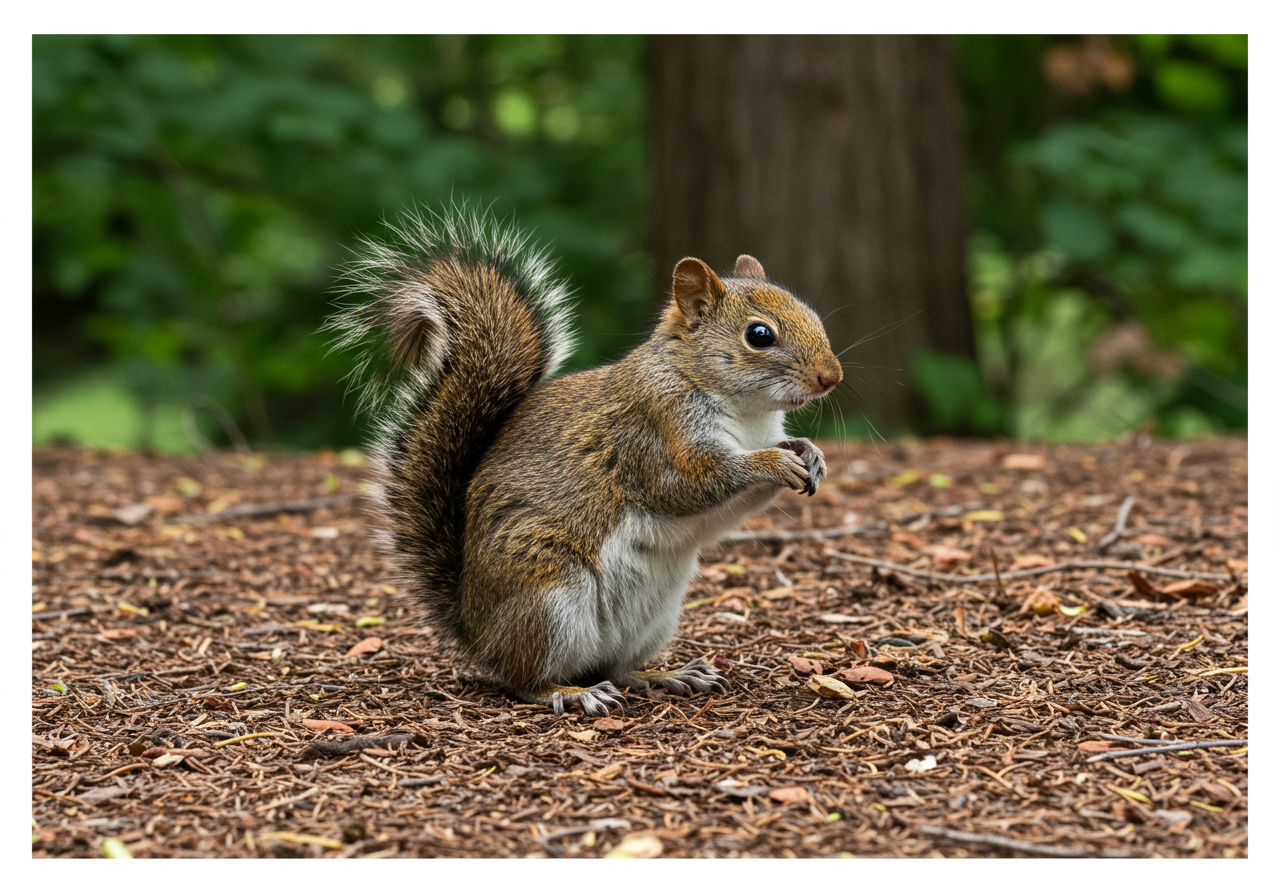
Squirrels: More Than Just Cute Acorn-Gatherers
You might enjoy watching squirrels scamper across your yard, but when they get inside your home, they quickly become a nuisance. Squirrels are notorious for their relentless chewing, which helps them keep their teeth sharp. This habit can lead to serious problems in your home.
The Squirrel Threat:
- Property Damage: Squirrels love to gnaw on electrical wires, which can create a significant fire hazard. They can also chew through wooden beams, insulation, pipes, and siding, leading to expensive repairs.
- Contamination: Their droppings and urine can contaminate attics and other areas, posing health risks and creating foul odors.
- Noise: The constant scratching, scurrying, and chattering in your walls or attic can be incredibly disruptive, especially at night.
Did you know? Squirrels are capable of squeezing through surprisingly small openings, often starting with a tiny crack and then gnawing it larger to gain entry.
How to Discourage Squirrels:
- Seal Entry Points: Inspect your roof, attic vents, and eaves for any gaps or holes. Use sturdy materials like heavy-gauge screen, metal flashing, or cement to seal them.
- Trim Branches: Keep tree branches trimmed back at least 6-8 feet from your roofline and power lines, as squirrels use them as bridges to your home.
- Secure Food Sources: Store pet food in sealed containers and ensure trash cans have tight-fitting lids.
- Repair Damages: Fix any loose siding, damaged fascia, or broken windows promptly.
Bats: Misunderstood, But Still Unwelcome Indoors
Bats play an important role in our ecosystem, primarily by eating insects. However, finding them roosting in your attic or walls is a different story. While they generally prefer to stay away from humans, their presence indoors can be unsettling and carry health risks.
The Bat Threat:
- Guano Accumulation: Bat droppings, known as guano, can build up in attics, creating strong odors and fostering the growth of mold and fungi. Guano can also be a source of histoplasmosis, a respiratory disease.
- Unpleasant Odors: The urine and guano can produce a very strong, unpleasant smell that can permeate your home.
- Potential for Bites: While rare, if a bat is trapped in your living space, it may bite in self-defense. Bats can carry rabies, so any direct contact requires immediate medical attention.
Did you know? Bats can squeeze through openings as small as half an inch wide – that's about the size of your thumb! This makes finding their entry points a real challenge.
How to Discourage Bats:
- Exclusion is Key: The most effective way to keep bats out is to seal all potential entry points in your home's exterior, especially around the roofline, eaves, and vents. This must be done carefully, ideally with one-way exclusion devices that allow bats to leave but not re-enter.
- Seal Cracks: Repair loose flashing, missing shingles, and any cracks in your home's foundation or walls.
- Check Chimneys: Ensure your chimney has a sturdy cap to prevent bats (and other wildlife) from entering.
Important Note: Bat removal should always be handled by professionals. Attempting to remove bats yourself can be dangerous and may harm these protected creatures.
Rodents (Mice & Rats): Fast Breeders, Big Problems
Mice and rats are perhaps the most common and persistent home invaders. These highly adaptable creatures can multiply quickly, turning a small problem into a full-blown infestation in a matter of weeks. They are constantly looking for food, water, and shelter, and your home provides all three.
The Rodent Threat:
- Disease Spread: Rodents are well-known carriers of various diseases, including Hantavirus, Salmonella, and leptospirosis, which can be transmitted through their droppings, urine, and bites.
- Contamination: They contaminate food preparation surfaces and stored food items, posing health risks to your family and pets.
- Structural Damage: Like squirrels, rodents chew on electrical wires (a leading cause of house fires), plumbing, insulation, and wooden structures, leading to costly damage.
- Rapid Reproduction: A single pair of mice can produce 5-10 litters per year, with each litter averaging 5-6 pups. This means a small problem can escalate very quickly.
Did you know? A mouse can fit through a hole the size of a dime, and a rat can fit through a hole the size of a quarter! They don't need much space to get in.
How to Discourage Rodents:
- Seal Everything: Critically inspect your home's foundation, utility entry points, and exterior walls for any gaps, cracks, or holes, and seal them with steel wool, caulk, or cement. Pay attention to areas around pipes, wires, and vents.
- Sanitation: Keep your home clean, especially the kitchen. Store food in airtight containers, clean up crumbs and spills immediately, and don't leave pet food out overnight.
- Eliminate Water Sources: Fix leaky pipes and faucets, and ensure basements or crawl spaces are dry and well-ventilated.
- Declutter: Reduce clutter in and around your home, as it provides ideal hiding and nesting spots for rodents.
Why Professional Help is Your Best Defense
While DIY methods can offer temporary relief, dealing with squirrels, bats, and rodents effectively often requires professional expertise. These pests are resilient, resourceful, and can be dangerous to handle without proper knowledge and equipment.
At The Bug Man, we understand the unique challenges Maryland homeowners face when it comes to wildlife and rodent intrusions. With over 20 years of experience in the pest control industry, our team is dedicated to providing safe, effective, and humane solutions. Our mission is to protect you, your families, your assets, and the environment with highly trained pest management professionals.
How The Bug Man Can Help You
We offer specialized services to address these specific "unwanted guests":
- Squirrels: Our Wildlife Control experts are skilled in humane squirrel removal and effective exclusion techniques to prevent their return.
- Bats: We provide professional Bat exclusion services, ensuring these protected creatures are safely removed from your home and prevented from re-entry, without causing harm.
- Rodents: Our comprehensive Rodent Control and Rodent Exclusion services tackle mice and rats head-on, from identifying entry points to implementing long-term prevention strategies.
We don't just remove the pests; we work to understand how they got in and seal those entry points to keep them out for good.
Serving Maryland Homes
The Bug Man is a local, family-owned business proudly serving a wide range of communities across Maryland. If you're dealing with squirrels in your attic, bats in your belfry, or rodents in your walls, you can count on us in:
- Anne Arundel County: Including Pasadena, Annapolis, Glen Burnie, Severna Park, Crofton, Odenton, Gambrills, Arnold, Hanover, Jessup, Laurel, Millersville, Linthicum Heights, Severn, Edgewater, Shady Side, Galesville, Mayo, Riva, and Churchton.
- Howard County: Including Columbia, Ellicott City, Elkridge, North Laurel, Savage, Jessup, Fulton, Clarksville, Scaggsville, Highland, Dayton, Glenwood, West Friendship, Cooksville, Lisbon, Marriottsville, Glenelg, Woodbine, Waterloo, and Dorsey.
- Baltimore County: Including Towson, Dundalk, Catonsville, Parkville, Pikesville, Randallstown, Owings Mills, Perry Hall, Essex, Middle River, Reisterstown, Timonium, Cockeysville, Lutherville, Arbutus, Woodlawn, Rosedale, White Marsh, Lochearn, and Nottingham.
- Queen Anne's County: Including Centreville, Stevensville, Chester, Grasonville, Queenstown, and Wye Mills.
- Prince George's County: Including Bowie, Upper Marlboro, Greenbelt, Hyattsville, Laurel, Landover, Fort Washington, Clinton, Adelphi, Beltsville, Cheverly, Forestville, Largo, Glenn Dale, and Riverdale Park.
- Carroll County: Including Westminster, Sykesville, Taneytown, Hampstead, Manchester, Mount Airy, New Windsor, Union Bridge, Eldersburg, Finksburg, Gamber, Keymar, Woodbine, Marriottsville, Winfield, Taylorsville, New Midway, Smallwood, Freedom, and Uniontown.
Don't let unwanted guests make themselves at home in your Maryland property. If you suspect you have squirrels, bats, or rodents, it's time to call in the professionals.
Contact The Bug Man today at 443-591-4967 or visit bugmanmd.com to schedule a consultation and take back your home!
Get Your FREE Pest Control Quote from The Bug Man - Pasadena, MD
Are uninvited pests bugging you in your Pasadena, Maryland home? It's time for a professional solution! Share a few details in the form below, and The Bug Man team will quickly get back to you with a no-obligation, FREE quote tailored to your specific pest control needs. From ants to rodents, we offer effective, reliable pest removal services for homeowners in Pasadena and nearby communities. Let us help you reclaim your pest-free home – your peace of mind is just a click away!
More Blogs
Some other blogs you might be interested in